
Torque Wrench for Lug Nuts
Drive size, typical wheel torque, star patterns, and why an impact wrench is the wrong finishing tool.
By Owen Briggs ·
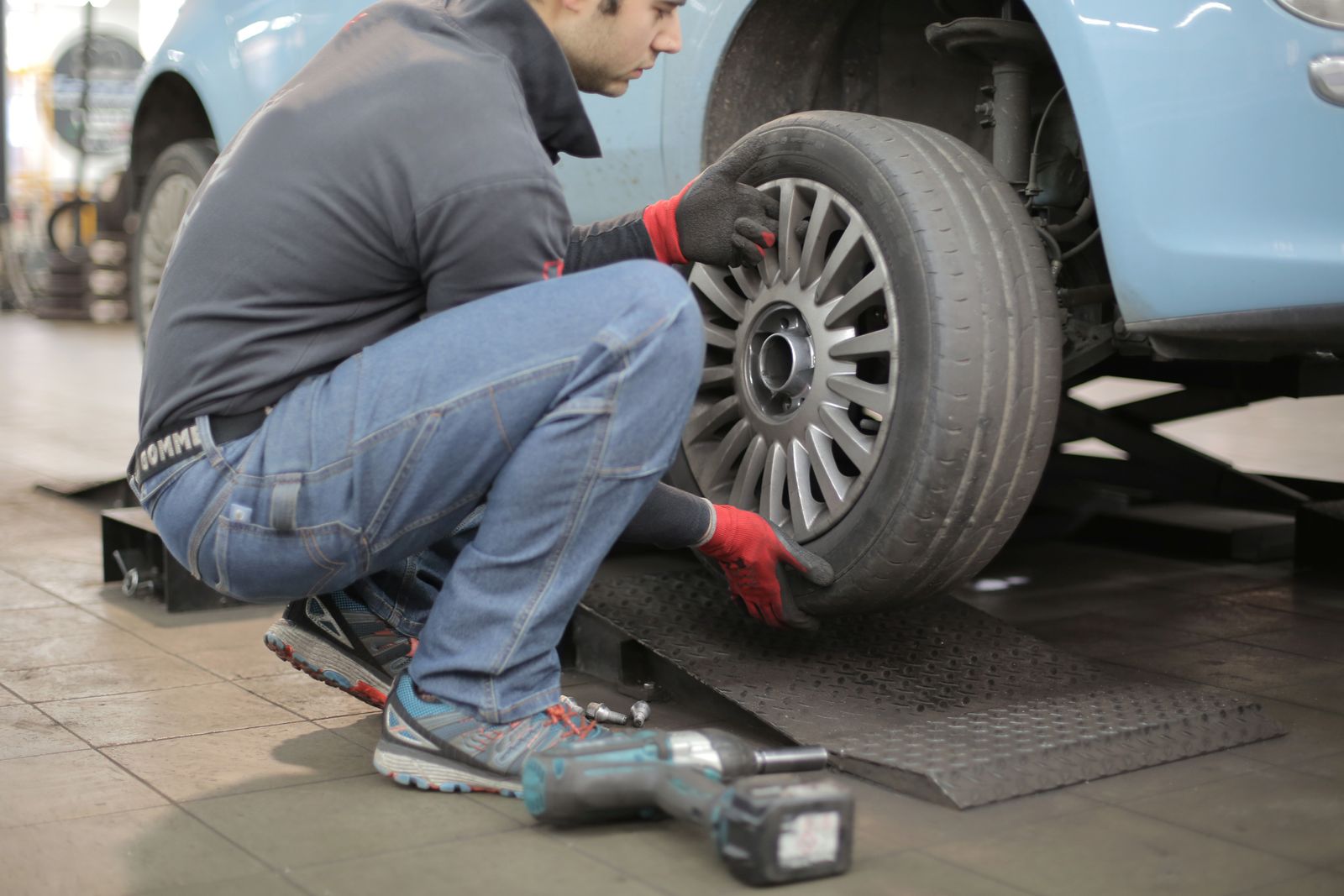
A torque wrench for lug nuts is almost always a 1/2-inch click wrench. The job is repetitive, the spec is high enough to live in the middle of a 25–250 ft-lb scale, and you want a click you can feel while kneeling in a driveway. Digital wrenches can do it. They are slower when you have five or six nuts per corner.
This usually comes up after an impact wrench, a tire iron, or a shop’s air gun left a wheel either loose or so tight the next person needs a six-foot breaker. Both outcomes are common. The fix is a number from the door sticker or owner’s manual, a star pattern, and one click per nut.
Typical lug nut torque
There is no universal number. Small cars often live near 80–90 ft-lb. Many crossovers and light trucks sit at 100–140 ft-lb. Heavy-duty wheels can ask for more than a 1/2-inch passenger wrench should deliver. Read the placard. If you cannot find it, the service manual wins over a forum chart.
| Vehicle class | Common range | Drive to buy |
|---|---|---|
| Compact car | 76–90 ft-lb | 1/2 in click |
| Sedan / crossover | 80–110 ft-lb | 1/2 in click |
| Half-ton truck / SUV | 110–150 ft-lb | 1/2 in click, 25–250 ft-lb |
| Dual rear wheel / HD | Often 140 ft-lb and up | Check the manual; may need 3/4 in |
How to torque a wheel
- Clean rust and debris off the mating face. A puck of rust is a spacer.
- Start the nuts by hand so you do not cross-thread.
- Snug in a star until the wheel is flush, still in the air.
- Lower the vehicle so the suspension takes the weight.
- Set the wrench and final-torque in the same star.
- Re-check after 50–100 miles on new wheels, rotors, or aftermarket hats.
The star pattern is not superstition. It keeps the wheel from clamping on one side first. Going around the circle in order is how you get a wheel that clicks at spec and still rattles.
Technique details live in how to use a torque wrench. The short version for wheels: pull at the handle, stop at the first click, do not bounce on the handle.
Impact wrenches are for taking wheels off
An impact is a great removal tool and a poor finishing tool. Even a “torque stick” is a crude filter, not a measurement. Shops that finish with sticks still ought to check with a click wrench. At home, skip the stick. Run the nuts down with a ratchet until they are snug, then measure.
If you looked up Milwaukee, you may have seen impact wrenches first. That is a different tool. The Milwaukee separates click wrenches, the M12 digital torque wrench, and high-torque impacts so you do not buy a nut-buster for a wheel spec.
Preset wheel wrenches vs micrometer clickers
Tire shops like preset wrenches because the spec never changes for that bay. An 80 ft-lb or 140 ft-lb preset with a rubber head is fast and hard to mis-set. For a home garage that also does brakes, a micrometer click wrench is the better single purchase. You will change the setting.
If you only ever do wheels, a preset 1/2-inch wrench dedicated to that number is a good idea. It cannot be left at 40 ft-lb by accident after a caliper job.
See 1/2-inch wrenches for wheels
After you torque
Wind the click wrench down to its lowest marked setting. Check the nuts again after the first drive if the wheels are new to you. A click wrench that lives in the trunk of a car through a New England winter should be treated as suspect; temperature swings and rattling are not a calibration lab. Calibration covers a driveway check.
If you still need a smaller wrench for the rest of the car, the 3/8 torque wrench is the next drawer, not a substitute for this one.
Common questions
You can loosen lug nuts with a breaker bar. You should not finish them with an impact wrench or a hopping tire iron. A torque wrench is how you get every nut to the same spec after the wheel is on the ground.