
3/8 Torque Wrench Guide
Why a 3/8-inch drive covers most garage work, which range to buy, and when you still need 1/2 inch.
By Owen Briggs ·
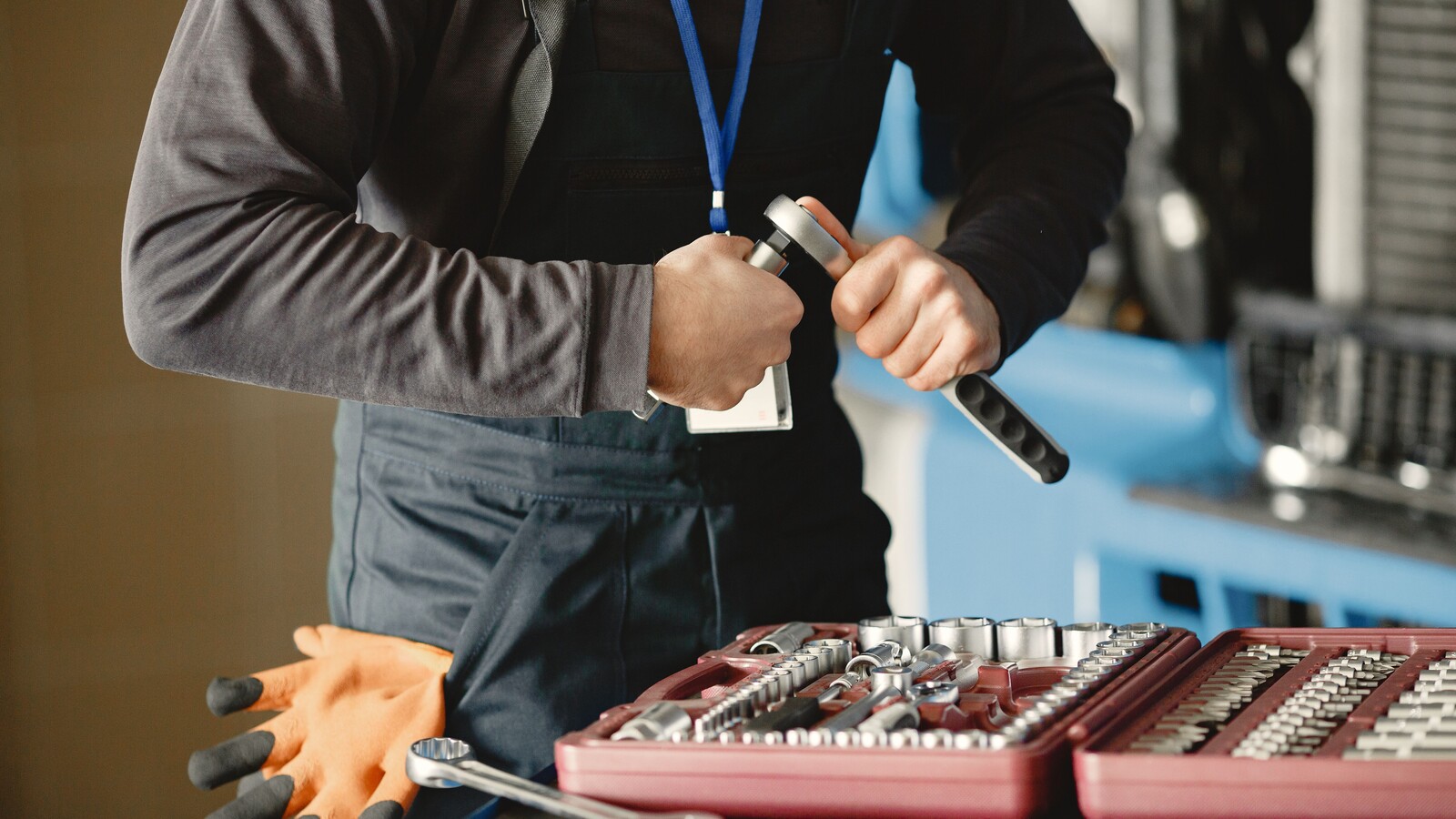
A 3/8 torque wrench is the size that spends the most time in a home garage after the wheels are on. The square drive fits the sockets you already own for brakes and engine work. The typical 10–100 ft-lb range sits where a lot of automotive specs live. It is not a smaller 1/2-inch wrench. It is a different instrument.
You already know the drive. What you still need is the range, the type, and whether a flex head is worth it. Tekton, Craftsman, Snap-on TechAngle, and Harbor Freight all sell 3/8-inch wrenches; they are not interchangeable just because the square is the same size.
Where 3/8 inch wins
| Fastener neighborhood | Why 3/8 inch | Skip 3/8 if |
|---|---|---|
| 15–80 ft-lb chassis and brakes | Middle of a 10–100 scale | Spec is 120+ ft-lb |
| Accessory brackets | Fits crowded bays with a short head | You only own 1/2 sockets |
| Engine dress and intakes | Better resolution than a 250 ft-lb wrench | Spec is inch-pounds |
| Digital / angle work | Common 3/8 electronic range is 10–100 ft-lb | You need 250 ft-lb wheels |
Click, flex, or digital
A fixed-head click wrench is the default. A flex head is the upgrade that pays off on starter bolts, trans cooler lines, and anything tucked under a manifold. The flex joint should still click at the same spec; a sloppy head that you can flop by hand is a different product.
Digital 3/8 wrenches are common because 10–100 ft-lb is a sweet electronic range. GearWrench flex electronic models, ICON, Quinn, and Snap-on TechAngle all live here. Read the digital wrenches before you replace a perfectly good clicker with beeps.
Inch-pound 3/8 wrenches
Harbor Freight and others sell compact 3/8-inch wrenches scaled in inch-pounds, often 40–200 in-lb. Those are for tight quarters, not for mixing with a 10–100 ft-lb wrench in your head. If the spec is 120 in-lb, that compact wrench is appropriate. If the spec is 45 ft-lb, it is not. Do not swap it with an inch-pound wrench.
Building a two-wrench kit
Keep a 3/8-inch 10–100 ft-lb clicker next to a 1/2-inch 25–250 ft-lb clicker. That pair covers nearly every fastener on a passenger car except the small stuff. Add inch-pounds when you start doing plugs and covers. That is the same stack as the best torque wrench buying order, with the 3/8 slot filled in.
Store both at their lowest marked settings. Calibrate on the same schedule. A 3/8 wrench that you use every weekend will drift sooner than the 1/2-inch wrench that only comes out for tires. Calibration has the interval and a home check.
Common questions
Most of the car that is not a wheel: calipers, control arms on smaller vehicles, accessory brackets, intake bolts in the 15–80 ft-lb range, and many transmission pan bolts. It is the daily wrench once lug nuts have their own 1/2-inch tool.