
Harbor Freight Torque Wrench Guide
Pittsburgh, ICON, and Quinn compared: accuracy, warranty, and which Harbor Freight wrench is worth buying.
By Owen Briggs ·
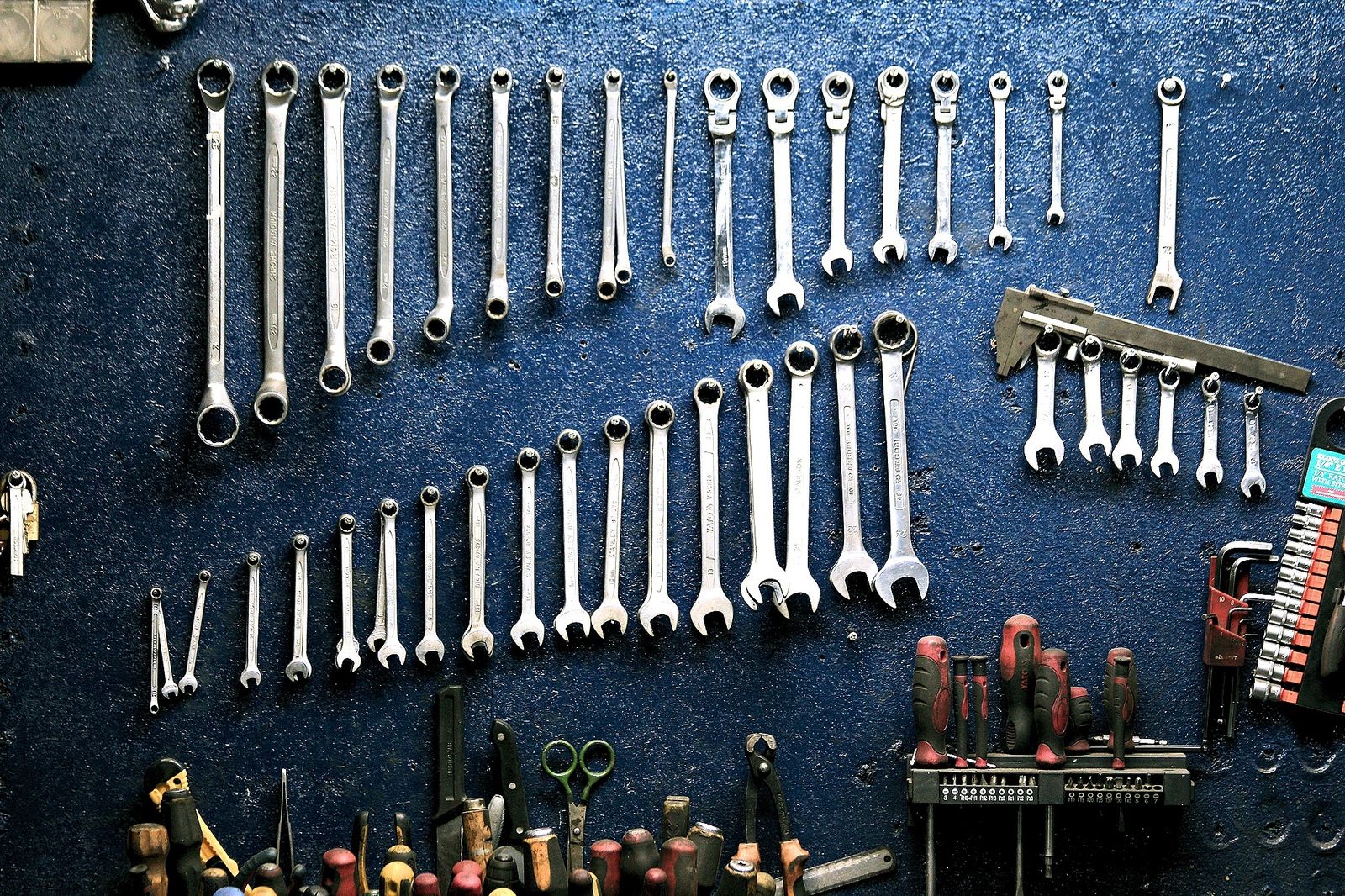
Harbor Freight sells three different torque wrench lines. Pittsburgh is the hanging-in-the-aisle clicker. ICON is the “maybe I do not need Snap-on” line. Quinn is the digital and specialty catalog. Treating them as one product is how people buy a $20 wrench, skip a check, and then wonder why the click feels wrong.
The aisle has three names: which wrench, which drive, and what the parking-lot sale does not tell you.
The three names on the wall
| Line | What it is | Buy it for | Do not buy it for |
|---|---|---|---|
| Pittsburgh | Entry click wrench | Occasional wheels, backup | Engine internals you cannot redo |
| ICON | Better click and split-beam | Daily garage use | Documented aerospace joints |
| Quinn | Digital and compact specialists | Live readout on a budget | People who hate batteries |
Pittsburgh: cheap is a feature and a warning
The Pittsburgh 1/2-inch 10–150 ft-lb click wrench is the tool in a thousand first-apartment garages. It can torque lug nuts. It can also be off at the low end, which is why it should not be your spark-plug wrench. If you buy it, do a hanging-weight check at a mid-scale number you actually use, then use it in that neighborhood.
Split-beam ICON wrenches cost more and skip some of the “wind it down every time” ritual that micrometer clickers demand. That is a real usability difference if you are honest about how you store tools.
ICON vs Snap-on is the wrong framing for most people
YouTube loves a $78 vs $790 thumbnail. For a driveway, ICON in 3/8 and 1/2, stored correctly, is a rational pair. For a shop that bills customers and needs a paper trail, Snap-on’s truck, warranty, and cal lab are part of the product. Read Snap-on if you are choosing a truck. Do not buy Snap-on to win an argument with a Pittsburgh wrench.
Quinn digital: useful, not immortal
Quinn’s 3/8 digital wrench is one of the most-reviewed Harbor Freight torque products. Live readout and presets are the same benefits described for digital torque wrenches. It still has batteries, still overshoots if you jerk it, and still needs a mechanical backup. Heat complaints exist in the wild; treat a tool that smells like a fried PCB as retired.
Compare ICON-style 1/2-inch wrenches
How to use a Harbor Freight wrench like a measuring tool
Same rules as Tekton or Craftsman. Right drive for the spec. Pull square. One click. Lowest setting in the case. Recheck after a drop. If the job is wheels, the lug nut procedure is the one to follow; the brand on the handle is secondary.
If you want a wrench with a cleaner public spec sheet and dual-direction ISO language, Tekton is the usual alternative, not because Harbor Freight is fake, but because some people want the paperwork printed larger. Either way, calibration is how you know, not the color of the handle.
Common questions
Pittsburgh is a cheap clicker that can be fine for occasional lug nuts if you check it. ICON and Quinn are the lines people keep. None of them replace a lab certificate, and the $20 wrench is the one that shows up in “is it accurate?” videos for a reason.